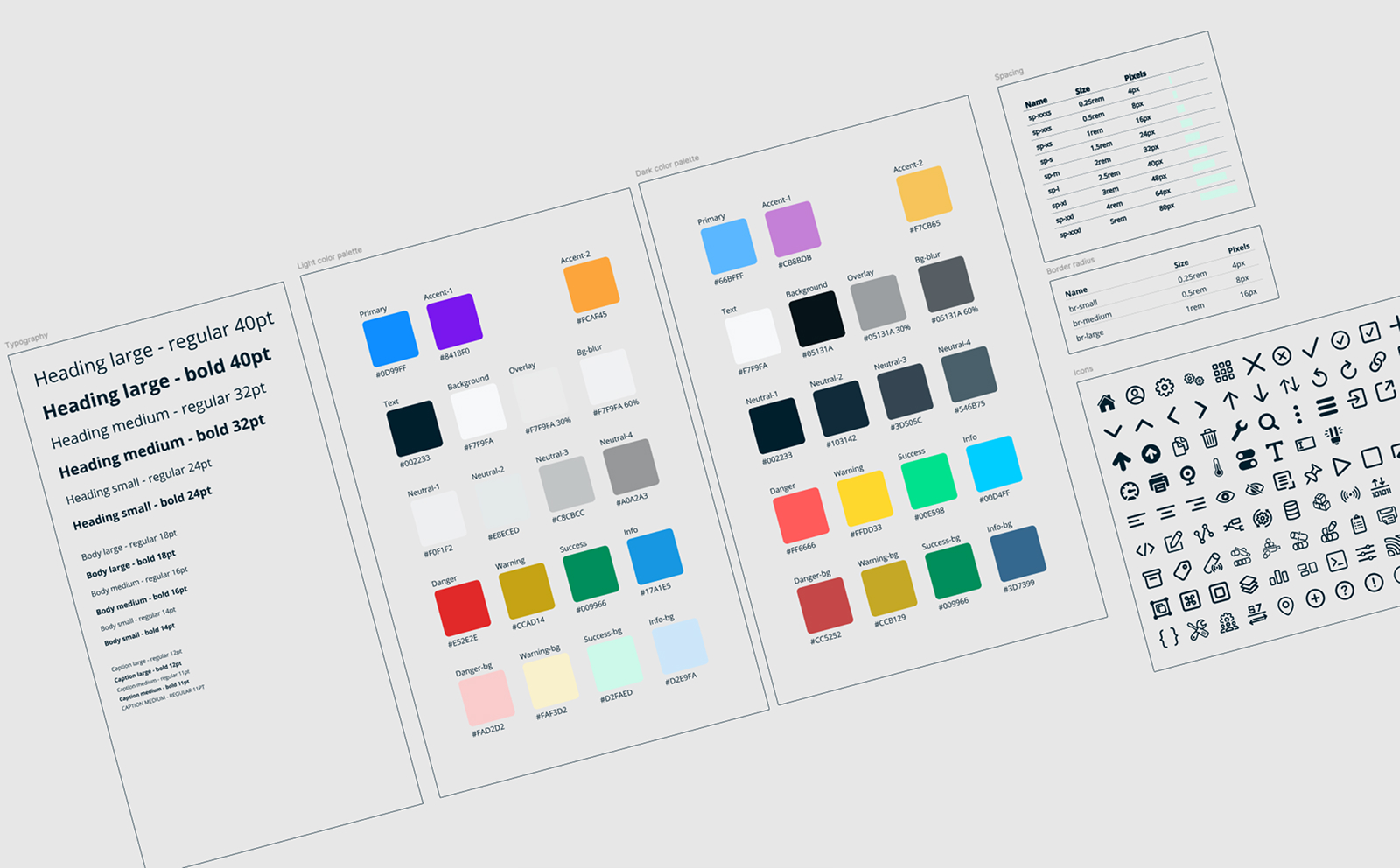
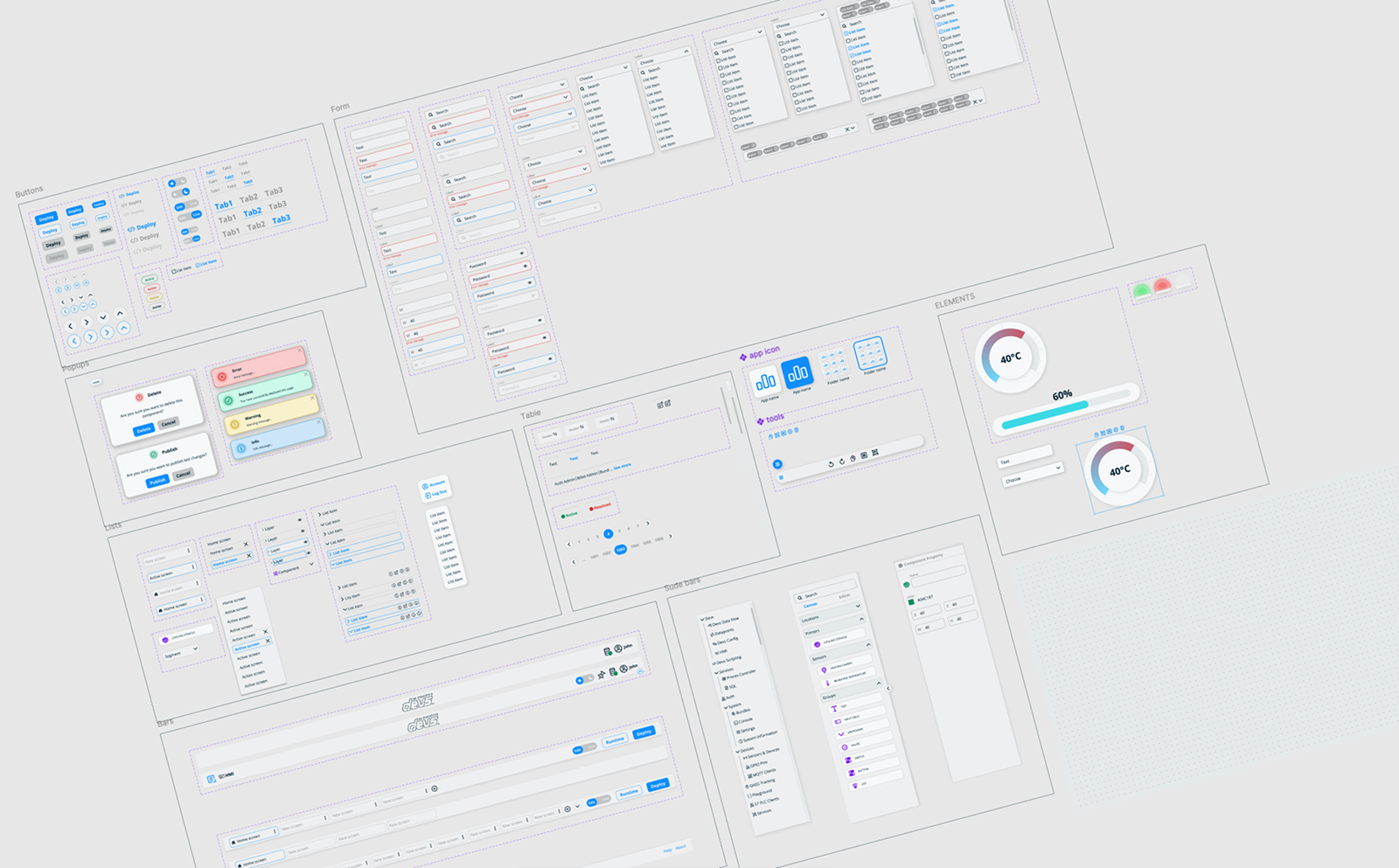
Devs ex Macchina™ is a powerful modular platform for building IoT applications that connect sensors, devices and cloud services. Devs™ runs on a device, on-premise server, or in the cloud, gathers data from a variety of field device types and presents them to the user in a unified datapoint format (raw data or JSON), so you can spend less time looking for data and focus on acting, based on the insights it provides.
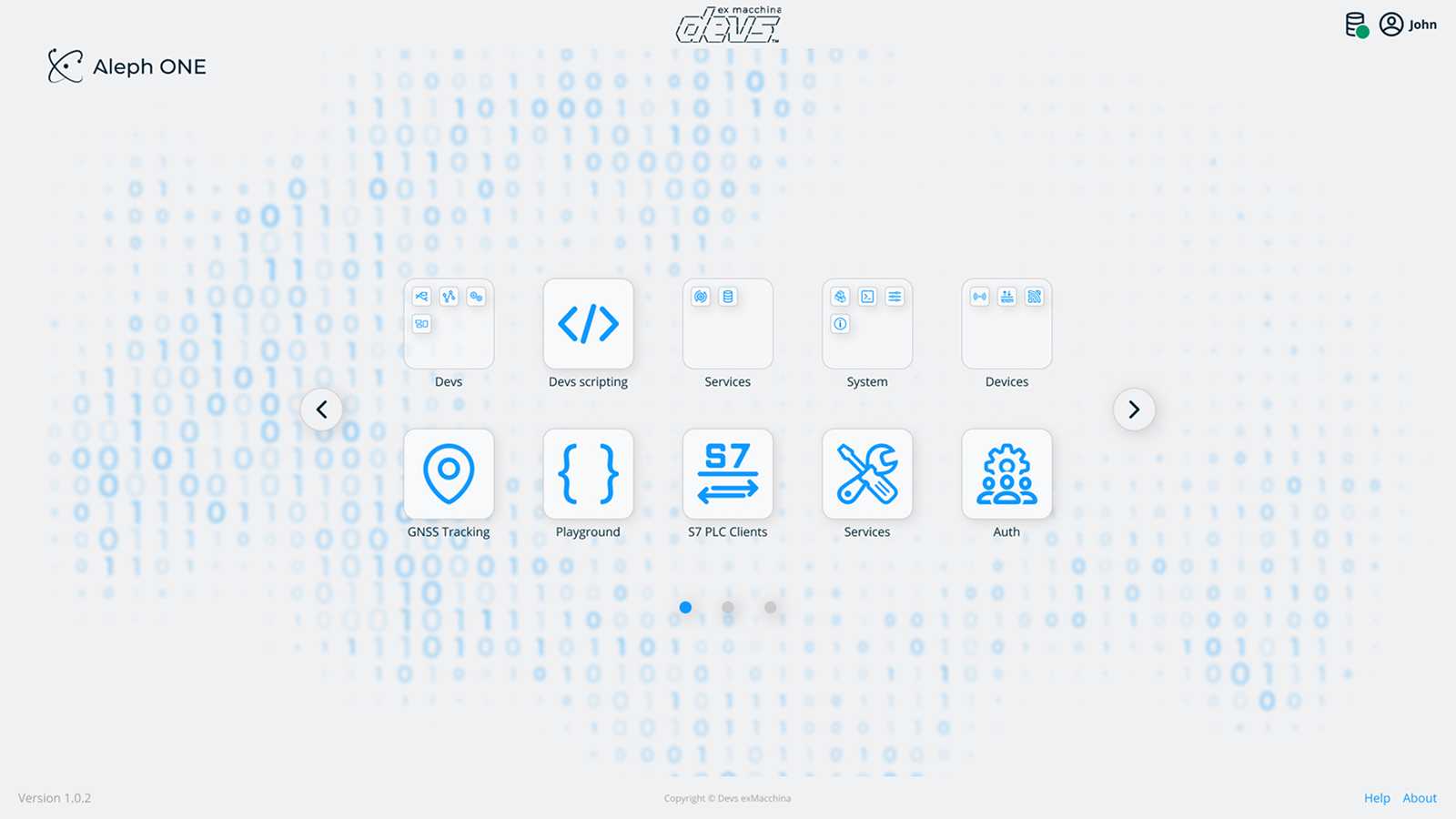
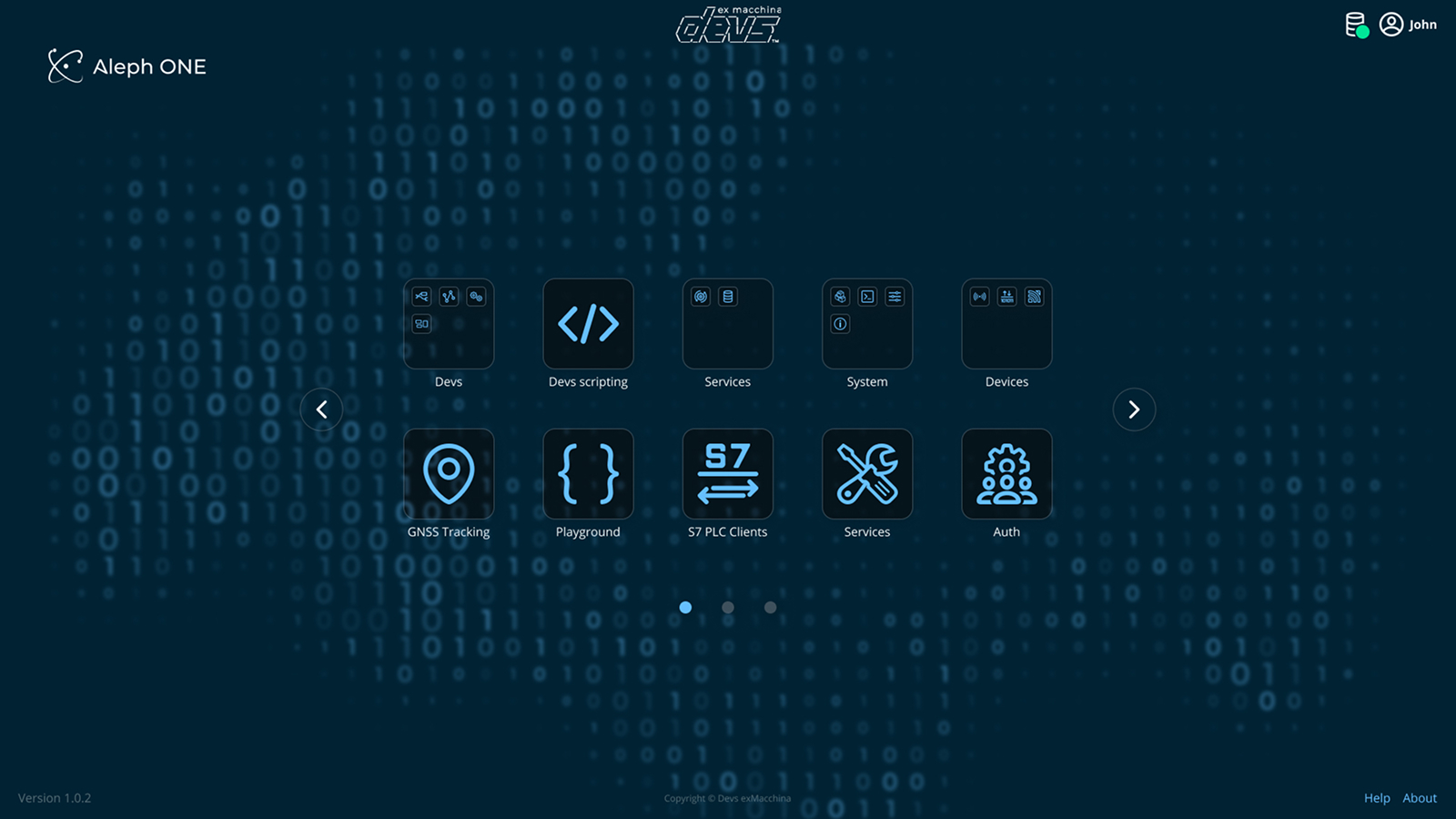
With over 17 modules in the platform, Human-Machine Interface (HMI) panel, as the most complex, was the one that I decided to base the design on. It was a challenge managing that complexity, HMI panels require a large number of editing tools, configuration options, and contextual controls, all while leaving as much room as possible for the actual workspace. From the beginning, the interface was built around that balance: giving users quick access to powerful functionality without letting the tools overwhelm the canvas.
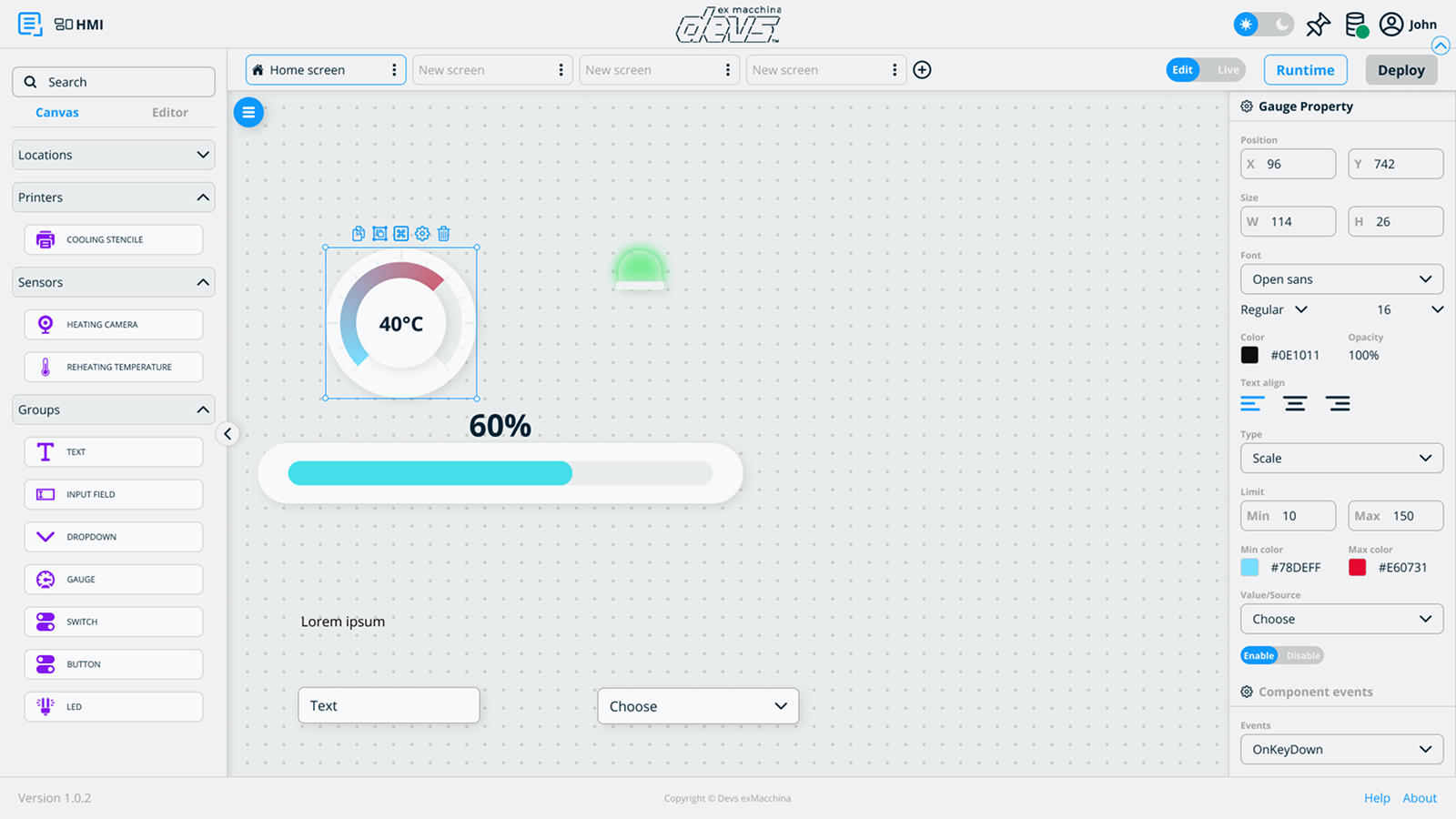
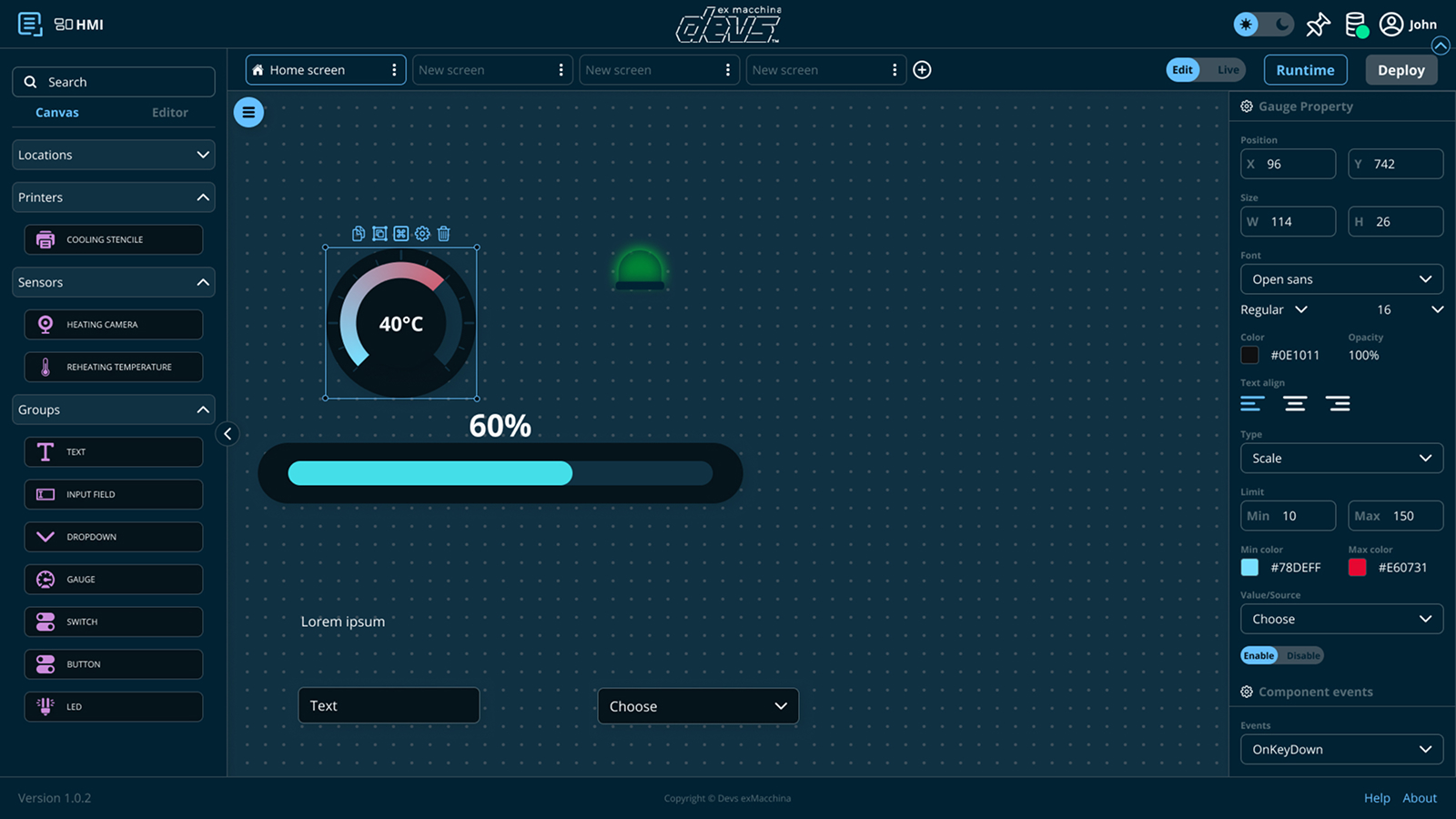
Designing the editor meant thinking carefully about hierarchy and prioritisation. Every panel, toolbar, and property inspector had to earn its place on the screen. Frequently used actions needed to stay within easy reach, while more advanced options remained accessible without distracting from the task at hand. Throughout the process, I continuously refined the layout to keep the workspace as open and focused as possible.
Because the platform is used for highly specialised work, flexibility was just as important as simplicity. Different workflows required different tools, so the interface needed to support a wide range of editing scenarios while still feeling predictable and easy to navigate. Rather than hiding complexity, the goal was to organise it in a way that felt natural to experienced users.
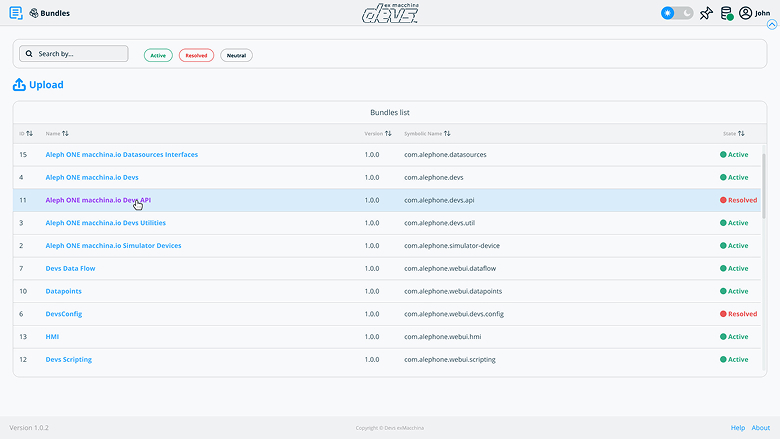
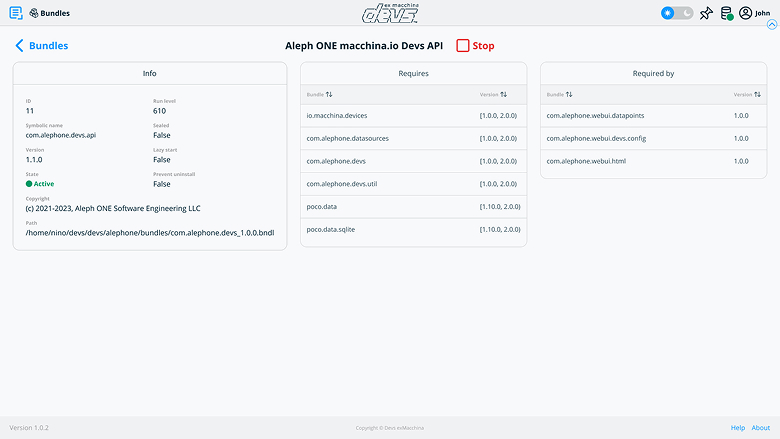
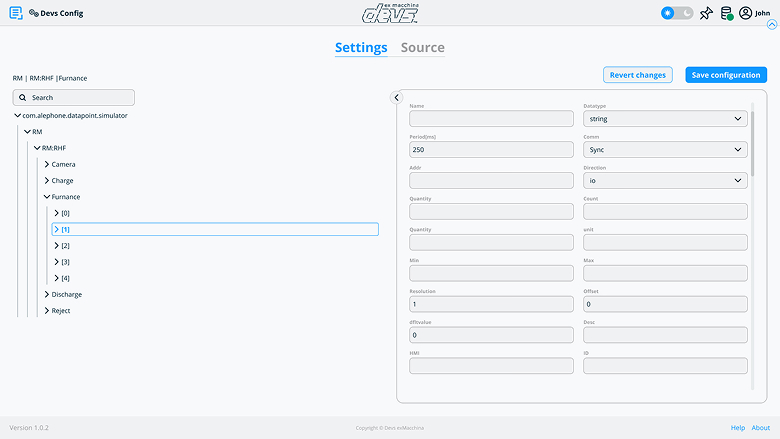
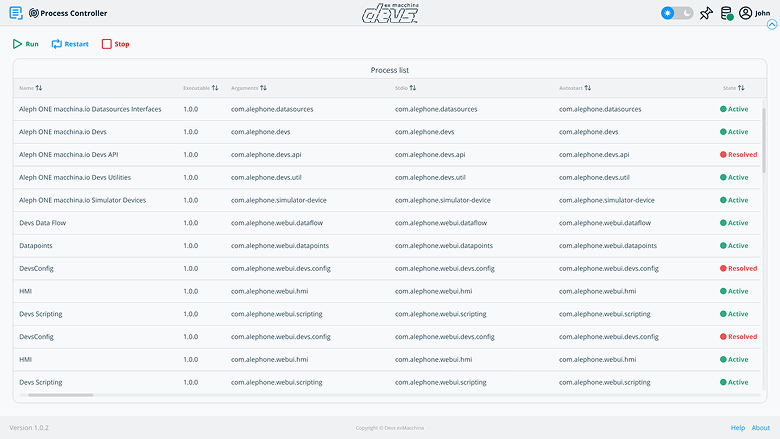
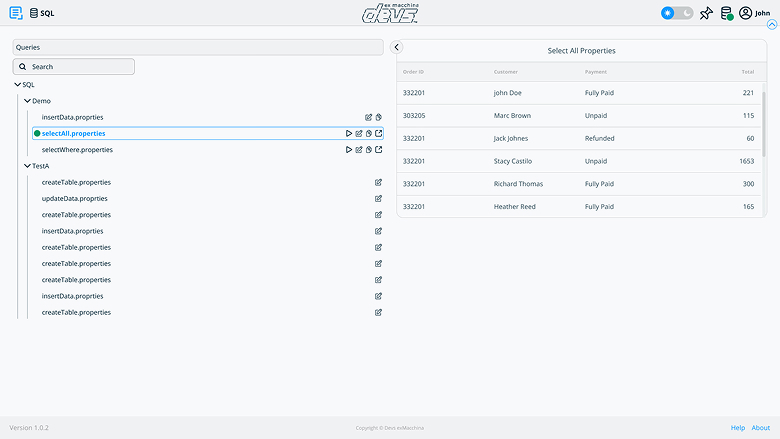
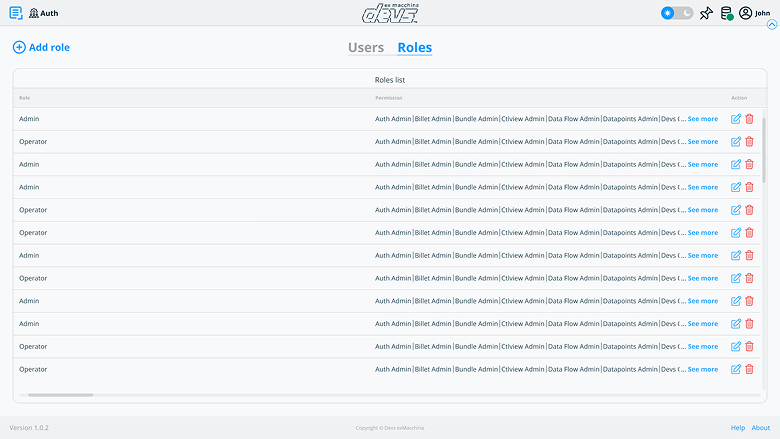
Working on Dev Ex Machina strengthened my understanding of designing professional software where efficiency matters more than visual decoration. It taught me how thoughtful hierarchy, spacing, and information architecture can make even feature-rich applications feel approachable, and reinforced the importance of designing around the user's primary task rather than the interface itself.